Tyra Banks' ANTM: The Documentary's Shocking Revelations Uncovered
For nearly two decades, America's Next Top Model (ANTM) captivated audiences worldwide, transforming aspiring models into household names and creating countless memorable, albeit sometimes controversial, moments. Hosted by supermodel mogul Tyra Banks, the show, which ran for 24 seasons from 2003 to 2018, was a pop culture juggernaut. It promised a glamorous launchpad into the cutthroat world of high fashion, complete with dramatic makeovers, intense photoshoots, and the ever-elusive prize of becoming "America's Next Top Model." But beneath the glossy exterior, questions always lingered about the true cost of fame and the methods employed to achieve it.
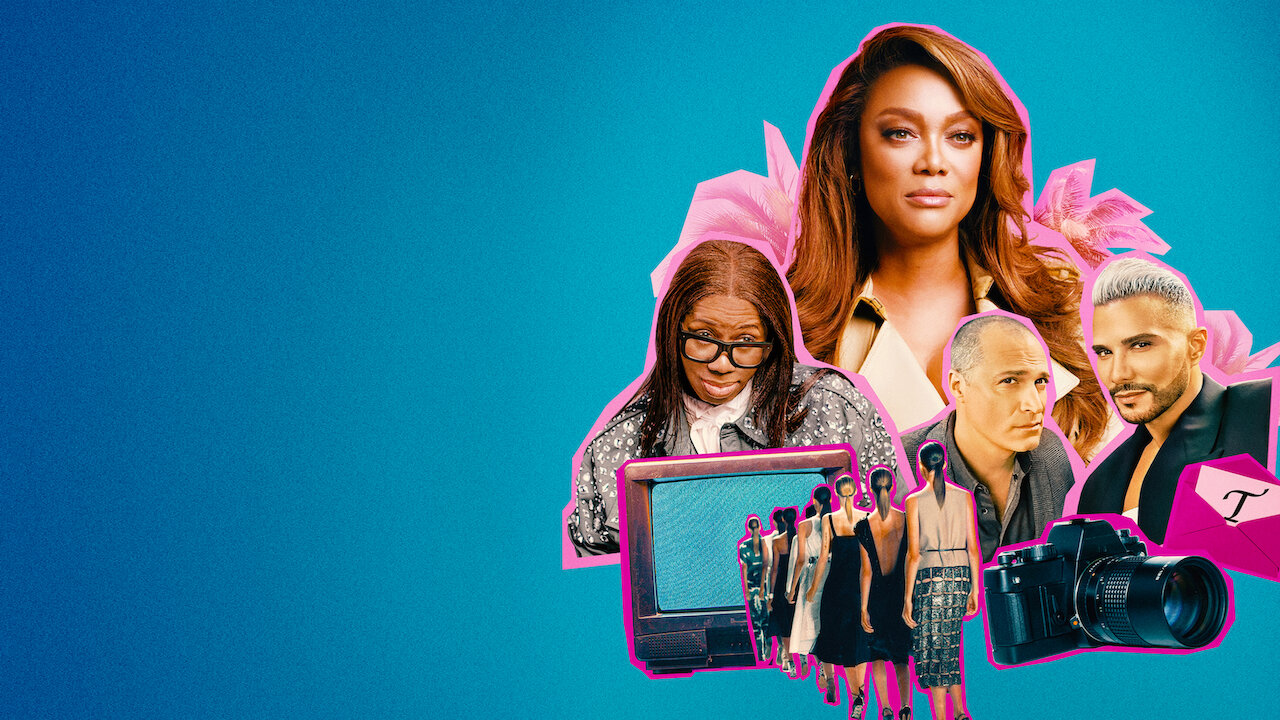
Now, a new Next Top Model documentary from Netflix, titled Reality Check: Inside America’s Next Top Model, is forcing a critical re-evaluation of the beloved series. Far from a celebratory retrospective, this three-episode docuseries delves deep into the chaos both in front of and behind the cameras, presenting a stark, often uncomfortable, chronicle of a show that many argue became a "cultural war crime" by modern standards. Featuring interviews with producers, coaches (including Tyra Banks herself), and former contestants, the documentary unveils shocking revelations that challenge the rose-tinted nostalgia many hold for ANTM, urging viewers to confront the problematic aspects that simply wouldn't fly on television today.
The Cultural Reckoning of a Reality TV Juggernaut
The core premise of Reality Check isn't just to reminisce about iconic ANTM moments, but to hold them up to the unforgiving light of contemporary social consciousness. The documentary highlights numerous instances where past decisions, comments, and challenges are exposed as deeply cringeworthy and, at times, outright harmful. What once passed as edgy entertainment is now seen as egregious lapses of judgment. This Next Top Model documentary doesn't shy away from presenting these "welp, that sure didn’t age well" moments, often juxtaposing them with a "Greek chorus" of anonymous TikTok commentators who passionately scold the show's past transgressions. While some might find this approach overly self-serious or even preachy, it undeniably forces a crucial conversation about media accountability and the enduring impact of what we consume.
One of the most profound takeaways is how a single clip or comment, intended for momentary entertainment, could have lasting, detrimental effects on individuals. The documentary includes a startling claim from one TikToker who attributes an eating disorder spanning decades to a specific ANTM clip. This stark example underscores the immense responsibility of media creators and the potential for reality television, despite its entertainment value, to shape self-perception and cultural norms in profoundly negative ways. It encourages us to consider the long-term consequences of content that prioritizes drama and sensationalism over the well-being of its participants.
Tyra Banks' Iron Grip and Creative Director Jay Manuel's Ordeal
Among the most compelling and unsettling revelations in the Next Top Model documentary is the detailed account of the fractured relationship between Tyra Banks and the show's beloved creative director, Jay Manuel. Manuel, an integral and often empathetic figure in the early seasons, recounts a period of severe professional and personal strain. After eight seasons, feeling that the show was "chipping away at [his] soul" and disliking its evolving direction, Manuel politely informed Banks via email of his desire to move on.
What followed, according to Manuel, was a chilling demonstration of power. After three days of silence, Banks allegedly sent a curt, two-word reply: "I am disappointed." This brief message, seemingly innocuous, reportedly ushered in a period of "psychological torture." Manuel describes being pressured by the network's business affairs to remain on the show, but his working relationship with Banks became incredibly strained. He claims he was not allowed to speak with her off-camera, creating an environment of isolation and control. This narrative paints a picture of a demanding set and a host with an undeniable, unyielding grip on the show's personnel. When confronted about Manuel's account on camera, Banks famously refused to comment, leaving the allegations hanging heavy in the air and casting a significant shadow over her portrayal in the documentary.
The Persistent Shadow of Body Shaming and Unrealistic Standards
Perhaps one of the most enduring criticisms leveled against ANTM, and a major focus of the Next Top Model documentary, is its problematic stance on body image and the relentless pressure on contestants to conform to extremely thin ideals. Despite Tyra Banks' repeated and sometimes successful efforts to champion diversity in size, shape, and ethnicity, the show often fell short, particularly when it came to body positivity.
Cycle 10 contestant Whitney Thompson, who became the show's first "plus-size" winner, vividly recounts the internal struggle. "When we started filming I was a size 6, I was 5’10” and weighed 115 pounds I thought I looked good, but then you go on TV and you’re like, ‘Oh shit, maybe not,'" she explains. Thompson describes the harsh reality of entering the fashion world, where she was subjected to demeaning comments like, "You’re such a fat cow." Even more damning, she claims the show itself refused to provide clothes in her size for shoots, forcing her into ill-fitting garments that only exacerbated feelings of inadequacy. This creates a deeply unsettling juxtaposition: a show that ostensibly promotes diversity simultaneously undermines the confidence of its participants through its own practices.
While another model in the documentary offers the caveat that "there was a lot of body shaming, but you have to remember it was 25 years ago and we were different back then," this explanation, while providing context, doesn't absolve the harm caused. It highlights the urgent need for media, especially reality television that targets young, impressionable audiences, to evolve with societal understanding of health, body image, and self-acceptance. For anyone consuming media today, it’s crucial to develop media literacy: question idealized images, recognize the constructed nature of reality TV, and actively seek out diverse representations that promote healthy self-esteem rather than reinforcing narrow, often unattainable, beauty standards.
Beyond the Runway: Broader Critiques and Lasting Legacies
Beyond the specific revelations concerning Banks, Manuel, and body shaming, the Next Top Model documentary implicitly raises broader questions about the ethics of reality television as a genre. It compels viewers to consider the psychological toll on contestants, who often enter these high-pressure environments at a young age, without the necessary tools to navigate intense scrutiny, manufactured drama, and the pursuit of fame. The documentary serves as a powerful reminder that while reality TV offers entertainment, it also carries a significant responsibility to its participants and its audience.
The lasting legacy of America's Next Top Model is complex. It undoubtedly launched careers and brought modeling into mainstream consciousness, democratizing an often-exclusive industry to some extent. However, Reality Check: Inside America’s Next Top Model ensures that this legacy is viewed through a more critical lens, one that acknowledges the problematic elements that were once overlooked or simply accepted as part of the show's appeal. It’s an essential watch for fans and critics alike, offering a nuanced perspective on a cultural phenomenon that shaped a generation's perception of beauty, ambition, and reality itself. For those aspiring to enter creative or competitive industries, understanding these behind-the-scenes dynamics can offer valuable lessons in self-advocacy, setting boundaries, and prioritizing mental well-being over external validation.
In conclusion, the Netflix Next Top Model documentary, Reality Check: Inside America’s Next Top Model, is more than just a trip down memory lane. It's a necessary cultural reckoning that forces us to confront uncomfortable truths about a show we once loved. By exposing the ethical compromises, power imbalances, and damaging beauty standards that underpinned ANTM, the documentary encourages a more critical consumption of media and prompts important conversations about responsibility, empathy, and the evolving standards of what constitutes acceptable entertainment in our increasingly aware society.